
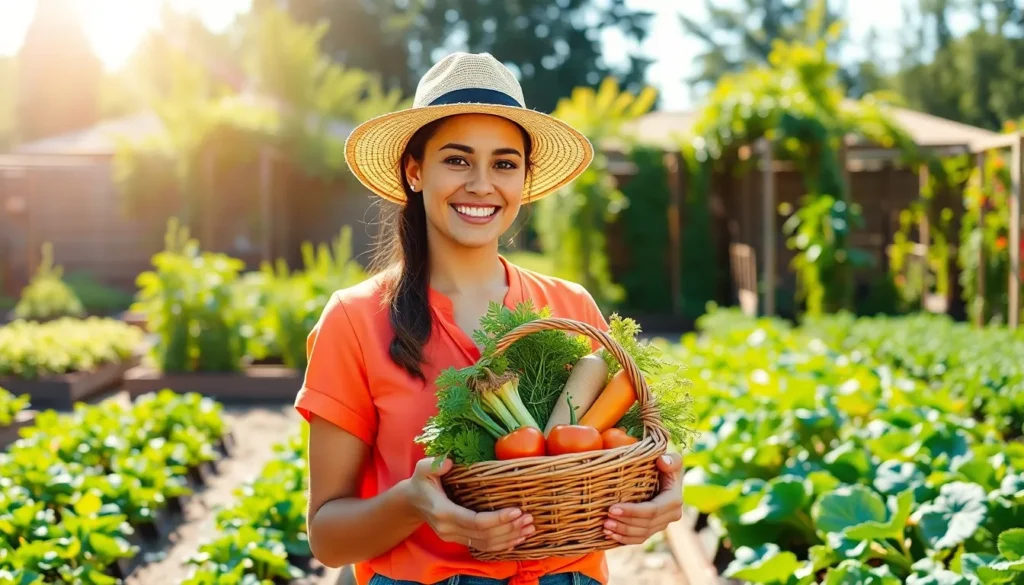
In a world where avocado toast reigns supreme and kale is practically a celebrity, food sustainability has become the hottest topic on the menu. It’s not just about eating your greens anymore; it’s about ensuring those greens don’t come at the expense of our planet. With climate change knocking at our door like an overzealous delivery driver, understanding food sustainability is more crucial than ever.
Understanding Food Sustainability
Food sustainability focuses on food production and consumption patterns that minimize their environmental impact while supporting local economies and healthy communities. Its significance has risen as awareness of climate change and environmental degradation increases.
Definition and Importance
Food sustainability refers to practices that promote the accessibility, healthiness, and affordability of food while protecting ecosystems. This concept encompasses agricultural practices, distribution methods, and consumption habits that nurture resources for future generations. The importance lies in fostering responsible consumption that reduces waste and conserves biodiversity. Research indicates that global food systems contribute significantly to greenhouse gas emissions, making sustainability crucial for mitigating climate change impacts.
Key Principles of Food Sustainability
Key principles guide sustainable food systems. First, local sourcing emphasizes reducing transportation emissions and supporting local farmers. Second, sustainable agriculture practices involve crop rotation and organic farming techniques that maintain soil health. Third, reducing food waste enhances resource efficiency and decreases environmental strain. Fourth, promoting plant-based diets contributes to lower carbon footprints. Finally, encouraging fair trade ensures equitable compensation for producers worldwide. Adhering to these principles strengthens food systems while enhancing community resilience and ecological balance.
Current Challenges in Food Sustainability
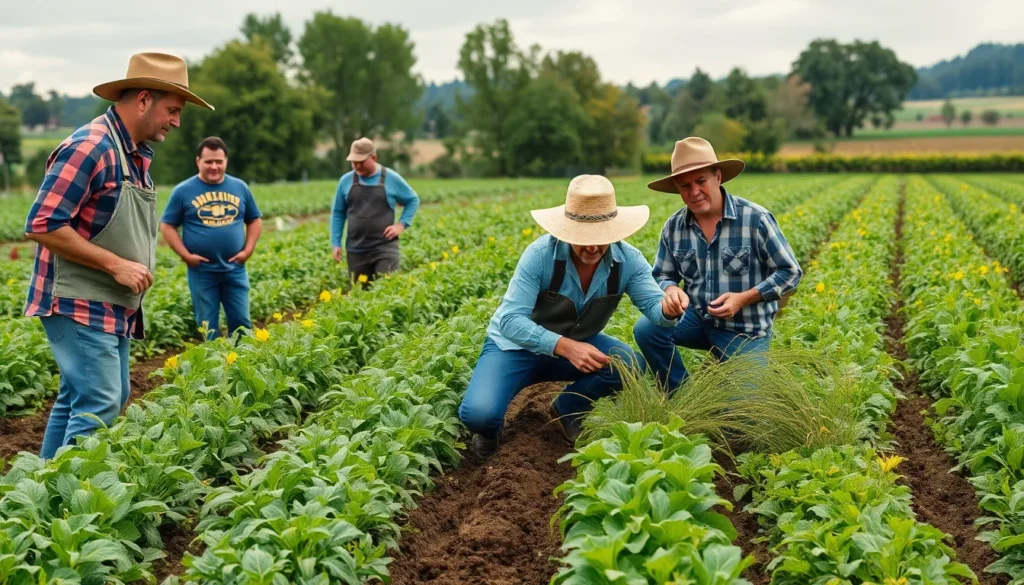
Food sustainability faces multiple challenges that hinder progress. These obstacles significantly impact global food systems and require urgent attention.
Climate Change Impact
Climate change affects agricultural productivity and threatens food security. Rising temperatures alter growing conditions for crops, leading to reduced yields. Droughts and floods, more frequent due to climate instability, disrupt supply chains and availability of fresh produce. According to the Food and Agriculture Organization (FAO), global warming could reduce crop yields by 10 to 25 percent by 2050 in some regions. Increased greenhouse gas emissions from traditional agricultural practices further exacerbate these issues. Addressing these impacts is essential for ensuring a sustainable food future.
Resource Depletion
Resource depletion constitutes another pressing challenge in food sustainability. Water scarcity emerges as a critical issue for agriculture, with over 2 billion people living in water-stressed areas. Unsustainable farming practices deplete soil nutrients, leading to diminished agricultural productivity. Additionally, overfishing has severely reduced fish populations, threatening marine ecosystems and food supplies. The World Resources Institute highlights that 60 percent of global ecosystems are near their tipping point due to human activity. Sustainable practices can counteract these losses by conserving resources and restoring ecosystems.
Sustainable Agriculture Practices
Sustainable agriculture practices play a crucial role in food sustainability. They focus on minimizing environmental impact while enhancing productivity and resilience within food systems.
Organic Farming
Organic farming emphasizes the use of natural inputs and materials. This practice avoids synthetic fertilizers and pesticides, promoting biodiversity in crops and soil. It encourages crop rotation and cover cropping, which improve soil health. According to the USDA, organic farming can reduce greenhouse gas emissions by up to 30 percent. Farmers who adopt organic methods support local ecosystems while delivering healthier food options. As consumer demand for organic products rises, so does the market for sustainably produced goods.
Permaculture Techniques
Permaculture techniques foster sustainable land use through design and management. These practices mimic natural ecosystems, enhancing resilience and efficiency in agriculture. Implementing permaculture principles leads to diverse cropping systems that conserve water and improve soil. Systems designed around permaculture can yield 20 to 50 percent more food compared to traditional farming methods. These innovative approaches also focus on renewable resources and waste reduction, reinforcing ecological balance. Farmers employing permaculture not only create productive landscapes but also contribute to a sustainable food future.
Role of Consumers in Food Sustainability
Consumers play a crucial role in advancing food sustainability. Their choices directly influence food systems and environmental impacts.
Choosing Local and Seasonal Produce
Supporting local and seasonal produce significantly reduces transportation emissions. Purchasing food close to home not only minimizes the carbon footprint but also strengthens the local economy. Seasonal foods are often fresher, carrying higher nutritional value compared to out-of-season products. Connecting with local farmers fosters community relationships and enhances accountability in production practices. Many consumers find that buying from farmers’ markets or local stores helps them discover unique and diverse food options. Prioritizing local produce contributes to more sustainable agricultural practices, benefiting both ecosystems and communities.
Reducing Food Waste
Reducing food waste is essential for a sustainable food system. Approximately 1.3 billion tons of food waste occurs globally each year, contributing to greenhouse gas emissions. Consumers can combat this by planning meals, properly storing food, and utilizing leftovers creatively. Educating oneself about portion sizes leads to more mindful consumption practices. Engaging in composting further minimizes waste and enriches soil, supporting sustainable gardening. Supporting initiatives that promote food recovery also assists in redistributing surplus food to those in need. By actively reducing food waste, consumers take significant steps toward fostering a sustainable approach to food.
Innovations in Food Sustainability
Innovations drive advancements in food sustainability, offering new solutions to address environmental challenges.
Technology in Agriculture
Precision agriculture utilizes satellite imagery and sensors to optimize planting and crop management. By collecting real-time data, farmers can make informed decisions that reduce resource waste. Drones monitor crop health, highlighting areas that require attention, thus minimizing pesticide use. Automated systems allow for efficient irrigation, conserving water while maximizing yields. These technologies provide essential insights that support sustainable practices and enhance productivity.
Alternative Protein Sources
Plant-based proteins, such as lentils and chickpeas, offer sustainable alternatives to animal products. Edible insects present a low-resource protein source, requiring less land and water compared to traditional livestock. Cultured meat, grown from animal cells, provides a way to meet protein demands without full-scale animal farming. These innovative protein sources can significantly lower greenhouse gas emissions associated with meat production, contributing to a more sustainable food system. Embracing these alternatives helps reshape diets and supports ecological balance.
Food sustainability is more than a trend; it’s a necessity for a healthier planet and community. By making informed choices and supporting sustainable practices, individuals can contribute to reducing environmental impacts and promoting local economies.
Embracing innovations in agriculture and prioritizing local and seasonal produce can lead to significant changes in food systems. Each small action taken towards reducing waste and supporting sustainable agriculture can create a ripple effect, fostering resilience in communities and ecosystems alike.
A collective effort towards food sustainability not only addresses current challenges but also paves the way for a more sustainable future. It’s time to recognize the power of food choices and their impact on the world.


