

Imagine biting into a juicy tomato that tastes like sunshine and laughter. That’s the magic of farm-fresh ingredients. They’re not just food; they’re a celebration of nature’s bounty, bursting with flavor and nutrients. When you choose farm-fresh, you’re not just supporting local farmers; you’re treating your taste buds to an experience that supermarket produce can only dream of.
The Importance Of Farm-Fresh Ingredients
Farm-fresh ingredients enhance culinary experiences with their robust flavors and heightened nutritional profiles. Consuming local produce ensures less time between harvest and table, preserving essential vitamins and minerals. Various studies show that fruits and vegetables lose nutrients over time, making immediate consumption essential for optimal health benefits.
Community connection plays a crucial role in supporting local economies. Each purchase from nearby farms contributes directly to the livelihood of farmers and sustains agricultural practices. Shoppers often build relationships with farmers, fostering a sense of trust and accountability.
Sustainability practices thrive with farm-fresh ingredients. Local agriculture typically employs methods that reduce carbon footprint, promoting environmental health. By choosing local produce, consumers support organic farming techniques and biodiversity.
Flavor diversity becomes evident with seasonal produce. Eating according to the seasons allows for a variety of ingredients, enriching meals with unique tastes and textures. Farm-to-table approaches inspire creativity in the kitchen, encouraging individuals to experiment with different recipes.
Nutrient-rich ingredients enhance overall health. Farm-fresh foods often contain lower pesticide residues, making them safer for consumption. Advocates of farm-fresh produce recognize the importance of access to wholesome ingredients for all communities.
Accessibility requires awareness. While farmers’ markets and community-supported agriculture programs provide excellent options, not everyone may know how to locate them. Educating consumers on the benefits of sourcing local ingredients plays a pivotal role in promoting farm-fresh eating habits.
Benefits Of Using Farm-Fresh Ingredients
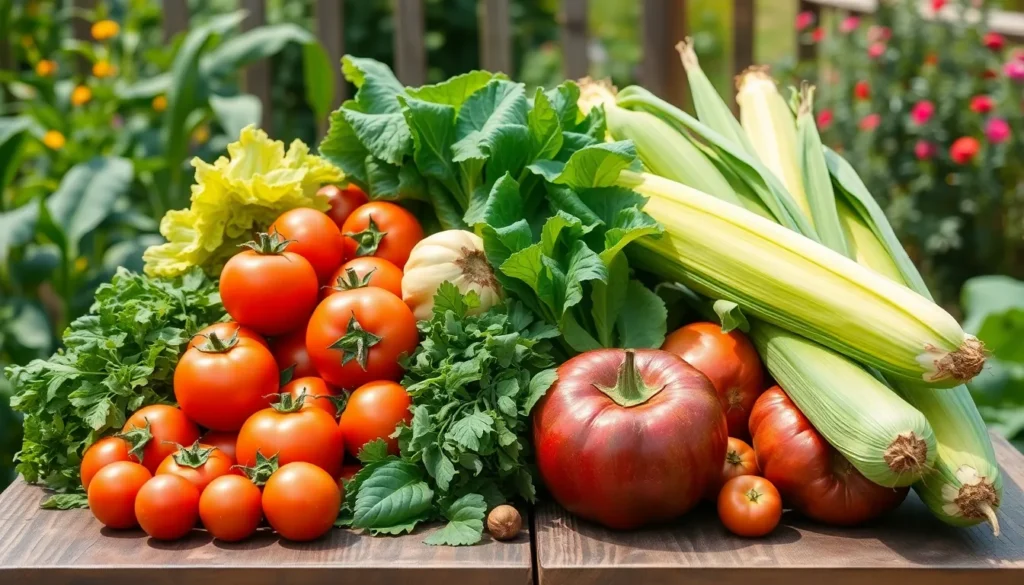
Farm-fresh ingredients offer numerous advantages, enhancing both health and culinary experiences. These benefits include improved nutritional content and flavor enhancement that sets them apart from conventional produce.
Nutritional Value
Nutrients in farm-fresh ingredients remain higher due to minimal time between harvest and consumption. Studies show that locally sourced fruits and vegetables can contain up to 50% more vitamins and minerals than those that travel long distances. Flavorful options like ripe tomatoes and leafy greens retain their antioxidants better when picked at peak ripeness. Reduced exposure to pesticides also benefits health, making these ingredients a safer choice. The freshness ensures that essential nutrients aren’t lost in prolonged shipping and storage. Communities gain from increased availability of nutritious options, improving overall dietary habits for all residents.
Flavor Enhancement
Flavor greatly improves when using farm-fresh ingredients. Produce, harvested at peak ripeness, boasts robust tastes that supermarket varieties often lack. Diverse seasonal offerings allow chefs and home cooks alike to explore unique flavor profiles. Ingredients such as sweet corn or vibrant strawberries provide a burst of natural sweetness that processed foods can’t replicate. Local sourcing fosters creativity in culinary endeavors, encouraging the use of fresh herbs and vegetables in recipes. Enhanced flavors contribute to more enjoyable meals, making dining experiences memorable and satisfying.
Sourcing Farm-Fresh Ingredients
Sourcing farm-fresh ingredients leads to enhanced culinary experiences and stronger community ties.
Local Farmers Markets
Local farmers markets provide direct access to fresh produce. Shoppers encounter seasonal fruits and vegetables, often harvested that morning. Participating in these markets supports nearby farmers, ensuring they receive fair compensation. Additionally, many farmers share growing practices, which educates consumers about sustainable agriculture. Patrons often enjoy vibrant colors, rich textures, and unmatched flavors found only in locally sourced items. Frequent visits foster relationships, inviting conversations about cooking and recipes. These markets also offer artisanal products, enhancing opportunities to discover unique flavors. With lower carbon footprints, farmers markets contribute positively to the environment while reinforcing community bonds.
Community Supported Agriculture (CSA)
Community Supported Agriculture (CSA) programs exemplify a commitment to local food systems. Joining a CSA allows consumers to purchase shares of a farm’s harvest, securing a steady supply of fresh ingredients. Members often receive weekly deliveries of diverse produce, enhancing meal planning flexibility. Supporting CSAs bolsters local economies and strengthens ties between growers and consumers. For those seeking variety, many programs include not only fruits and vegetables but also dairy, eggs, and meats. Engaging with farmers helps consumers understand crop cycles, fostering a deeper appreciation for seasonal eating. In turn, this connection cultivates a community that shares values of sustainability and health.
Cooking With Farm-Fresh Ingredients
Cooking with farm-fresh ingredients transforms meals through flavor and nutrition. Incorporating seasonal produce not only boosts health but also supports local farmers.
Recipe Ideas
Farm-fresh ingredients shine in simple dishes. Try a vibrant salad featuring heirloom tomatoes, fresh basil, and mozzarella for a delightful caprese. Grilling sweet corn enhances its natural sweetness, making it a perfect summer side. Create a berry parfait using local strawberries layered with yogurt and granola for a nutritious breakfast. Incorporating greens like kale or spinach can elevate pastas and smoothies, offering rich nutrients. Seasonal fruits like peaches or plums provide natural sweetness for desserts, ensuring enjoyment without excessive sugar.
Seasonal Cooking Tips
Utilizing seasonal ingredients ensures the best flavors and freshness. Observe local harvest schedules to plan meals accordingly. Experimenting with different cooking methods maximizes taste; grilling or roasting often enhances natural sweetness. Storing fresh produce properly maintains quality; refrigeration helps extend the lifespan of leafy greens. Community-supported agriculture programs promote variety, allowing for creative meal preparation. Adjusting recipes based on what’s in season keeps menus exciting and diverse. Embracing seasonal cooking not only benefits health but strengthens community ties and overall enjoyment.
Challenges In Accessing Farm-Fresh Ingredients
Accessing farm-fresh ingredients presents multiple challenges for consumers. Limited availability often hinders access to local produce throughout the year. Seasonal growing patterns restrict the range of available items at certain times, making consistent access a challenge for shoppers.
Infrastructure issues also affect farmers’ ability to reach broader markets effectively. Many rural areas lack sufficient transportation options, resulting in delays in getting fresh food from farms to consumers. This disconnect can diminish quality and nutritional value.
Pricing plays a significant role in accessibility. While farm-fresh ingredients often boast superior flavor and nutrition, they sometimes come at a premium compared to mass-produced alternatives. Budget constraints can lead consumers to favor less expensive options, making it difficult for local farmers to compete.
Consumer awareness poses another obstacle. Many individuals remain unaware of local sourcing opportunities and the benefits of eating seasonally. Education around the value of farm-fresh ingredients may not be widespread, limiting community engagement with local producers.
Regulatory hurdles have the potential to complicate access further. Stringent food safety regulations can pose challenges for smaller farms. Compliance requires resources that smaller operations may lack, impacting their ability to sell directly to consumers.
Online platforms aim to bridge these gaps by connecting local farmers with consumers. Community Supported Agriculture (CSA) programs and farmers’ markets offer solutions, yet participation varies. Increase in community support for these initiatives can significantly boost access to fresh ingredients.
Embracing farm-fresh ingredients transforms not just meals but the entire dining experience. The superior taste and nutritional benefits they offer elevate everyday cooking while fostering a deeper connection to local communities. By supporting local farmers and participating in farmers markets or CSA programs, individuals contribute to sustainable practices that benefit both the environment and their health.
As awareness grows around the importance of seasonal eating, the culinary possibilities expand, encouraging creativity in the kitchen. Overcoming challenges related to access and affordability is crucial for maximizing the impact of farm-fresh foods. Ultimately, choosing local ingredients enriches lives and strengthens community bonds, making every meal a celebration of nature’s bounty.


